|
Getting your Trinity Audio player ready...
|
Old Man’s Beard: A Sustainable Tinder Choice for Forest School
Firelighting is one of those magical moments in Forest School — a chance for children to witness how small actions, patience, and natural materials come together to create something warm and life-giving. But the materials we choose to demonstrate this skill matter more than many people realise.
For years, cotton wool has been the go-to tinder in outdoor education. It’s easy, reliable, and familiar. But it also comes with a hidden environmental cost, and as leaders who encourage connection with nature, it’s worth asking whether it aligns with the values we model.
The Hidden Footprint of Cotton Wool
Cotton appears harmless, but its production is extremely resource-intensive. Large amounts of water, land, pesticides, and energy are required to grow and process it — all for a product we burn in a matter of seconds during a firelighting demonstration. While using a small amount may seem insignificant, the cumulative impact across Forest Schools, camps, and bushcraft sessions adds up.
More importantly, relying on cotton wool reinforces the idea that we need to bring nature to the woods, instead of using what the woodland is already offering.
Enter Old Man’s Beard (Wild Clematis)
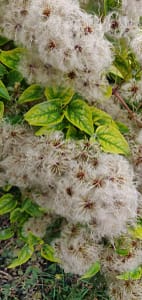
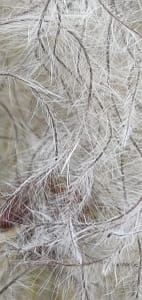
Old Man’s Beard — also known as wild clematis — is a remarkable natural tinder that many people walk past without recognising its potential. In late summer and autumn, its silky seed heads form fluffy, fibrous clusters that catch a spark beautifully. When dry, it’s light, airy, and behaves in a very similar way to teased-out cotton wool, but without the environmental footprint.
It’s a perfect example of how the natural world provides exactly what we need when we learn to look closely.
Why Natural Tinders Matter in Forest School
Choosing natural materials isn’t just about sustainability; it’s deeply educational. When children gather and prepare their tinder, they’re learning:
- Respect for local ecosystems
They begin to see the woodland not as a backdrop, but as a provider. - Resource awareness
They learn to take only what’s needed, and to understand how seasonal conditions affect what’s available. - Practical bushcraft skills
Spotting, identifying, and preparing wild tinders builds knowledge that stays with them far beyond the session. - A sense of stewardship
Using natural tinders reinforces the message that living lightly and thoughtfully in nature is not only possible, but rewarding.
Using Old Man’s Beard Responsibly

As with all natural materials, a gentle approach is important. Take only small amounts, spread your gathering across multiple plants, and avoid stripping any single vine bare. This ensures that wildlife still benefits from the seeds and that the plant can continue its natural cycle.
A Small Switch With a Big Impact
By choosing Old Man’s Beard or other natural tinders (such as birch bark, dried grasses, or bracken), we reduce dependence on manufactured materials and deepen the learning that happens at Forest School. It may seem like a small change — but it models the values of sustainability, curiosity, and respect that sit at the heart of outdoor education.
Next time you’re walking through the woods, keep an eye out for those silvery, cloud-like seed heads. They might just be your next fire’s first spark.
